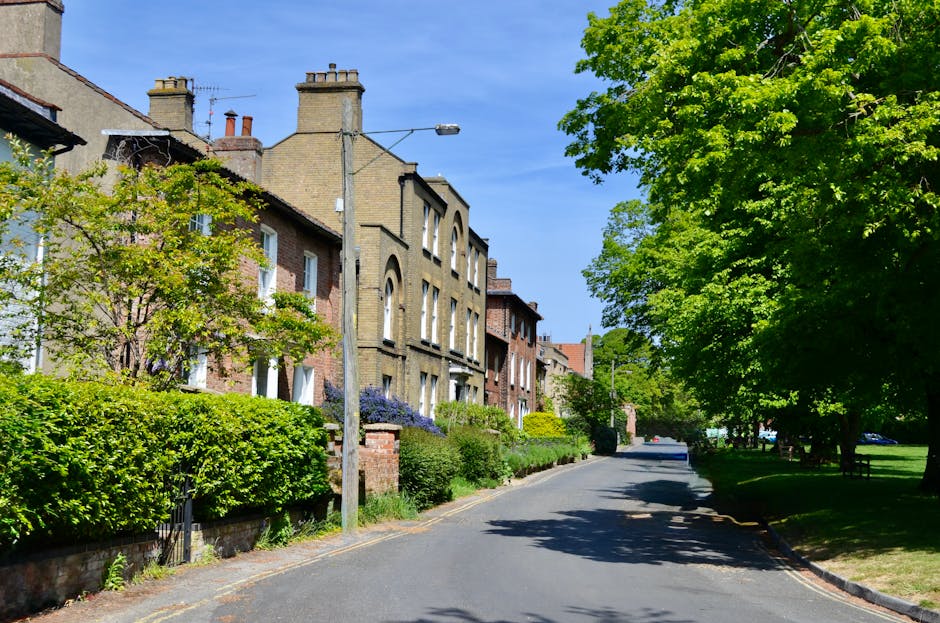
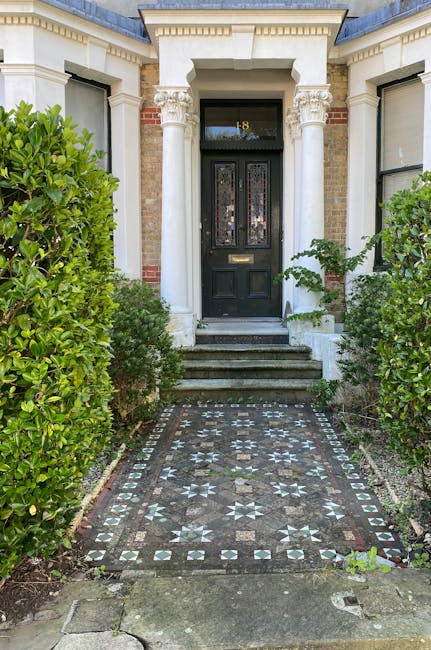
Belvedere gardeners guide for Erith Road front gardens
If you live on Erith Road, you already know the front garden does a lot of quiet heavy lifting. It frames the house, softens the street view, and sets the tone before anyone even knocks on the door. This Belvedere gardeners guide for Erith Road front gardens is here to help you make that small space work harder, look better, and stay easier to manage through the year. Whether your front plot is narrow, shaded, windy, or just a bit tired-looking, there is usually a sensible way forward. Not always the dramatic way. Usually the sensible one wins, to be fair.
In this guide, we'll cover practical planting, structure, privacy, low-maintenance ideas, common mistakes, seasonal care, and when it makes sense to bring in help. You'll also find a simple step-by-step plan, a useful comparison table, and a checklist you can actually use. And yes, we'll keep it grounded in what tends to work in real Belvedere front gardens rather than in picture-perfect magazine fantasy.
Table of Contents
- Why this guide matters for Erith Road front gardens
- How front-garden planning works in practice
- Key benefits and practical advantages
- Who this is for and when it makes sense
- Step-by-step guidance
- Expert tips for better results
- Common mistakes to avoid
- Tools, resources and recommendations
- Law, compliance, standards and best practice
- Options, methods and comparison table
- Case study or real-world example
- Practical checklist
- Conclusion
- Frequently asked questions
Why this guide matters for Erith Road front gardens
Front gardens in Belvedere are often smaller and more exposed than back gardens, which makes design decisions matter more. You do not have a lot of room to waste on plants that flop, paths that feel cramped, or borders that turn into a weekly weed battle. On Erith Road especially, a front garden often has to juggle several jobs at once: presentation, access, privacy, drainage, and a bit of resilience against wind and weather.
A well-planned front garden can improve kerb appeal without becoming high maintenance. It can also make the entrance feel calmer and more secure, which matters more than people admit. A tidy front bed and a clear path simply make daily life easier. You notice it on dark mornings, on bin day, when you've got shopping bags in both hands, and when the rain is coming sideways. That's real life.
There's another reason it matters. Front gardens are visible. If they look neglected, the whole property can feel that way even if the inside is immaculate. On the flip side, a neat, layered, well-kept front space creates a strong first impression without shouting about it. It just works.
For households wanting broader support with upkeep, it can be useful to look at regular garden maintenance alongside a one-off design refresh. And if the entrance area needs a more complete reset, landscaping can help turn a patchy front plot into something properly coherent.
How front-garden planning works in practice
Good front-garden design is less about adding more and more features and more about making careful choices. Think in layers. First, you decide how the space should function. Then you shape the hard landscaping. Only after that do you choose plants. People often do this backwards, which is why front gardens end up looking busy but not especially useful.
The process usually starts with a simple site read:
- How much sun does the garden get, and at what time of day?
- Is the space exposed to wind from the road?
- Do you need privacy from passers-by?
- Is drainage poor after heavy rain?
- How much time do you want to spend maintaining it?
From there, the gardener chooses a structure that fits the space. In many Erith Road front gardens, that means a narrow path, a boundary treatment, one or two focal planting zones, and a planting palette that stays tidy through the seasons. Small gardens do not need lots of variety. They need disciplined variety, if that makes sense. Same idea, fewer plants, better placed.
In practical terms, a front-garden job often involves some combination of edging, mowing, hedge shaping, planting, mulch or gravel dressing, and possibly fence or boundary work. If trees are causing shade, crowding, or root competition, you may also need tree surgery. If the garden boundary feels open and exposed, fencing can help create a cleaner, more private finish.
The point is not perfection. The point is a front garden that looks intentional in January, not just in June. That is the real test.
Key benefits and practical advantages
A front garden done well pays you back in several ways, and not all of them are obvious at first glance. The most visible benefit is appearance, of course. But the more practical benefits usually become the ones you appreciate every week.
- Better kerb appeal: A tidy, balanced front garden makes the whole property feel cared for.
- Easier access: Clear paths, sensible planting heights, and low-clutter layouts make coming and going easier.
- Less upkeep: Choosing robust planting and good ground cover reduces routine stress.
- More privacy: Hedges and boundary planting can soften sightlines from the pavement.
- Improved structure: Strong lines and consistent planting help small spaces look larger and calmer.
- Weather resilience: Front gardens that are planned for wind, shade, and rain hold up better through the seasons.
There is also a subtle psychological benefit. When your entrance looks orderly, the whole home tends to feel more settled. You see it when you arrive back from work and the front steps look clean, the planting is neat, and the space doesn't ask anything from you. That quiet sense of ease matters more than people think.
For a budget-conscious approach, it may help to combine a few targeted improvements with ideas from low-maintenance garden ideas on a budget. A little structure done well often beats a lot of features done badly. Every time.
Who this is for and when it makes sense
This guide is for homeowners, landlords, and tenants who want a front garden that feels tidy, attractive, and manageable without becoming a second job. It is especially useful if your garden is:
- small or narrow
- overgrown and hard to use
- exposed to wind from the street
- shaded by trees or neighbouring buildings
- dominated by weeds or tired turf
- in need of a cleaner boundary or entrance layout
It also makes sense if you are preparing a property for sale, letting, or simply wanting to improve how it feels coming home. A front garden does not need to be fancy. Truth be told, most people prefer neat, balanced, and easy to care for over anything overly decorative.
If the space is neglected, it can help to start with a reset rather than trying to rescue individual bits. For that kind of situation, the advice in bringing neglected gardens back to life is especially relevant. The first clean-up often changes everything.
This guide is also suitable if you are considering professional support but want to understand what good work should include before you ask for help. That's a sensible move, not a fussy one.
Step-by-step guidance
Here is a straightforward way to approach an Erith Road front garden without getting lost in the details.
1. Start with a proper site check
Look at the space in the morning and again later in the day. Notice where the sunlight lands, where water sits after rain, and where people naturally walk. Some of the best decisions come from simply watching how a space behaves for a few minutes. It sounds basic because it is basic. But it saves mistakes.
2. Clear the garden back to its bones
Remove dead material, tangled weeds, broken pots, and anything that blocks the shape of the space. A clear front garden is easier to judge, and once you can actually see the bones of it, the next step becomes much easier. If weeds are a constant problem, consider the practical advice in weed control insights.
3. Decide on the main function
Ask yourself what the garden should do first. Is it mainly decorative? Does it need to be private? Do you want a low hedge along the boundary? Would you rather have more space for bins, bikes, or access? Front gardens always work best when the layout is tied to a clear purpose.
4. Fix the path and access points
A front path should feel obvious and comfortable. If the route is awkward, plant selection won't save it. If paving is stained or dull, a clean-up can help the whole entrance feel fresher. Sometimes a simple service such as patio cleaning gives the front of the property a much more finished look. Not glamorous, but effective.
5. Build structure before adding too many plants
Structure usually comes from hedges, edging, containers, small shrubs, or a defined lawn shape. For many front gardens, a clipped hedge provides softness and privacy without looking heavy. If that suits your layout, take a look at hedge trimming Belvedere for a maintenance-friendly approach. A neat hedge can do more for a street-facing garden than a dozen small ornamentals.
6. Choose plants that suit the site, not the fantasy
This is where many front gardens go slightly off the rails. Choose plants for your actual conditions. Windy road? Go for sturdy, compact species. Shady entrance? Look for shade-tolerant options. If you have awkward light levels, shade-tolerant evergreen climbers may help add depth without demanding full sun.
7. Finish with mulch, edging, and repetition
Mulch helps retain moisture and suppress weeds. Clean edging keeps everything honest. Repetition, whether that is the same plant repeated in a border or the same pot style used in pairs, creates calm. Front gardens often look better when they repeat a few good choices instead of offering a buffet of random ones.
Expert tips for better results
Here are the little details that tend to make a big difference. These are the sorts of things experienced gardeners quietly pay attention to.
- Use one main focal point. A small tree, a pair of pots, a clipped shrub, or a smart gate area is enough.
- Keep planting heights disciplined. Taller plants should not block windows, lights, or sightlines.
- Choose evergreen structure for winter. Front gardens can look bare in cold months if they rely too much on seasonal flowers.
- Think about maintenance before planting. If you dislike pruning, do not choose a plant that wants constant shaping. That sounds obvious, and yet...
- Plant in groups. Three to five of the same plant usually looks calmer than five different plants once each.
- Leave breathing room. Crowding is one of the quickest ways to make a front garden look messy.
One simple trick is to step across the road and look back at your front garden as if you were a visitor. You will notice proportion issues almost immediately. A bed that felt fine from the doorway may look strangely cramped from the pavement. That outside-in view is honest. A bit brutal, maybe, but useful.
For plant choice, it can help to combine structure with useful softening. Ground cover can work very hard in front gardens where a full lawn feels impractical. For ideas, ground cover selections for UK gardens can give you a good starting point. If you want a greener, more layered feel, without a lot of fuss, this is often the route.
If privacy is a concern, you may also find inspiration in quick-sprouting hedge ideas. Hedges are not instant, but they are reliable. And reliable counts.
Common mistakes to avoid
Most front-garden problems are avoidable. The tricky bit is that they often seem like good ideas at the start.
- Using too many plant varieties. Variety is fine, but too much of it makes a small space look busy and uncertain.
- Ignoring growth size. A tiny shrub at purchase can become a very determined shrub six months later.
- Forgetting maintenance access. If you cannot reach a border edge, prune a hedge, or move around the garden comfortably, the design is already fighting you.
- Overloading the entrance with decoration. A couple of pots can be elegant. Ten different ones can look like a storage area with ambitions.
- Planting for summer only. Front gardens need to look acceptable in winter, not just for a few bright weeks in July.
- Leaving drainage issues unaddressed. Waterlogged borders quickly undo good design.
- Ignoring trees and roots. Big roots can compete with beds, crack surfaces, and cast heavy shade.
There is also a common emotional mistake: trying to do everything in one go. That leads to rushed choices and a garden that feels overworked. Better to finish one area properly than to half-finish three. Honestly, that's where a lot of good intentions go to die.
Tools, resources and recommendations
You do not need a van full of equipment to improve a front garden, but you do need a few dependable basics. The right tools make the work cleaner, safer, and less frustrating.
- Hand fork and trowel: Useful for planting, edging, and light weeding.
- Secateurs: Essential for neat pruning and deadheading.
- Half-moon edging tool or edging knife: Helps keep borders crisp.
- Spade and border fork: For reshaping beds and lifting tired plants.
- Rake and broom: Helpful for clearing leaves and debris from paths.
- Wheelbarrow or trug: Makes clean-up less of a faff.
- Quality mulch: Keeps the soil more stable and reduces weed pressure.
For homeowners who prefer not to juggle tools, a maintenance plan can be the better option. Regular attention to mowing and trimming keeps the front garden from drifting back into chaos. If your space includes grass, lawn mowing and lawn care are often the difference between "tidy" and "slightly forgotten".
It may also help to read the practical gardening advice in garden essentials for passionate planters and foundational tips for beginner gardeners. Those pages are useful if you want to build confidence before making bigger decisions.
If the front of the property includes decking or a raised seating edge, small maintenance touches can keep that area neat too. A lot of front gardens are a blend of soft and hard landscaping now, so the whole composition needs to be considered together.
Law, compliance, standards and best practice
For most front-garden work, the key is not legal complexity but sensible care. Still, a few points matter.
If trees are involved, be careful about protected trees, boundary ownership, and the potential impact of pruning or removal. It is usually wise to check before cutting hard into a mature tree or taking down anything significant. If you are unsure, a conversation with a qualified professional is the safer route. If you need to explore pricing and planning around tree work, this guide to discussing tree-surgery pricing may help you think clearly before committing.
Good practice also means understanding access, waste disposal, and safety. Garden work should be carried out with appropriate care around tools, unstable surfaces, trip hazards, and nearby property. For reassurance on how a professional team handles these matters, it is worth reading the company's insurance and safety information alongside the health and safety policy. Those pages are not exciting, granted, but they matter.
If you are comparing providers or thinking about service scope, the pages on terms and conditions, payment and security, and pricing and quotes are worth a calm read. Clear expectations make garden projects run better, full stop.
Best practice in a domestic front garden usually comes down to this: work safely, avoid over-pruning, respect boundaries, and choose plants and materials that suit the site. No drama. Just careful, steady decisions.
Options, methods and comparison table
When improving a front garden, there are usually several workable approaches. The right one depends on how much privacy, maintenance, softness, and structure you want. Here's a simple comparison that may help.
| Method | Best for | Pros | Trade-offs |
|---|---|---|---|
| Low hedge and neat borders | Homes wanting privacy with a traditional feel | Softens the frontage, looks tidy year-round | Needs periodic trimming and patience while establishing |
| Gravel or mulch with structured planting | Low-maintenance front plots | Reduces weeds, gives a clean finish | Needs good edging and occasional top-ups |
| Compact lawn with border planting | Homes that want a green, simple look | Familiar, welcoming, easy to understand visually | Needs mowing and season-long upkeep |
| Container-led design | Smaller paved or awkward front spaces | Flexible, easy to refresh, useful near entrances | Pots dry out faster and need more watering |
| Hard landscaping with minimal planting | Very tight or highly practical front areas | Simple to keep tidy, low clutter | Can feel stark unless softened well |
For many Erith Road homes, a blended approach is best: a clear path, a small amount of hard landscaping, a clipped hedge or boundary shrub, and a handful of reliable plants. Balanced. Quietly effective. No need to overcomplicate it.
Case study or real-world example
Here's a realistic example based on the sort of front garden we often see in Belvedere. A homeowner had a narrow front plot with tired turf, a messy shrub at the bay window, and a path that felt much narrower than it actually was. The space looked awkward, but it wasn't hopeless.
The first job was a full tidy: weeds removed, dead growth cut back, old edging lifted, and the path cleaned. That alone made the space feel bigger. Then the layout was simplified. One side of the garden was turned into a slim planting bed with a repeating set of evergreen plants. The other side was kept clearer to make movement easier. A low hedge was added for structure, and the window area was left open rather than crowded.
It was not a dramatic transformation in the flashy sense. No fountains. No exotic planting circus. But it looked calmer, sharper, and more cared for. By the second month, the owner said the house felt easier to come home to. That kind of feedback is common, actually. A front garden can change the mood of a property more than people expect.
In a similar project, a client with poor privacy opted for a hedge-led solution inspired by quick-sprouting hedge options, plus a little help from general gardening services to keep the whole frontage coordinated. The result was simple, not showy. Which was exactly the point.
Practical checklist
Use this checklist before you start work or book help:
- Have I looked at the front garden in different light and weather conditions?
- Do I know whether the space needs privacy, structure, or simply tidying?
- Are there drainage problems, shade issues, or wind exposure to account for?
- Have I cleared out dead plants, weeds, and clutter first?
- Is the path easy to use and safe to walk on?
- Have I chosen plants that suit the site rather than the wish list?
- Will the design still look acceptable in winter?
- Do I have a maintenance plan, even a simple one?
- Are trees, hedges, or boundary features likely to need professional attention?
- Do I want help from a local team that can handle maintenance, trimming, or a fuller redesign?
If you can answer most of those confidently, you're in good shape. If not, that's fine too. It just means the space needs a bit more thought before the spade comes out.
Conclusion
A strong front garden on Erith Road does not need to be extravagant. It needs to be considered. That usually means a clear layout, reliable planting, sensible boundaries, and enough maintenance discipline to stop small problems from becoming big ones. The best front gardens in Belvedere tend to feel calm rather than crowded, tidy rather than fussy, and practical rather than precious.
If you take only one thing from this guide, let it be this: design for the way you live, not for an idealised version of how a garden should look. Start with structure, then add plantings that can cope with your real conditions. That approach saves time, money, and frustration later on. And frankly, it makes the whole process feel much less like guesswork.
For homeowners who want a front garden that looks better and stays manageable, a little professional input can go a long way. Whether you need help with tidying, hedge shaping, access, lawn care, or a full refresh, getting the right support early often prevents rework later.
Get a free quote today and see how much you can save.
And if you want to talk through the safest next step for your own front garden, you can start a conversation through the contact page. Sometimes the best garden changes begin with a simple first chat.
Frequently Asked Questions
What makes a good front garden on Erith Road?
A good front garden is easy to access, tidy, visually balanced, and suited to the conditions on the site. In practical terms, that means the planting, path, boundary, and maintenance plan all need to work together.
How do I make a small front garden look bigger?
Use fewer plant types, keep lines clean, avoid overcrowding, and make the path feel obvious. Repetition and simple structure usually create the illusion of more space. Mirrors and gimmicks are rarely necessary.
What are the best low-maintenance plants for a front garden?
Usually the best choices are compact evergreens, robust shrubs, and reliable ground cover that suits the light and wind exposure. The exact plants depend on whether the area is sunny, shaded, or exposed.
How often should a front hedge be trimmed?
That depends on the hedge species and the look you want, but many front hedges benefit from regular light trimming rather than one hard cut a year. A neat hedge is much easier to maintain if you stay ahead of growth.
Can I improve my front garden without redoing everything?
Absolutely. Sometimes a clean-up, better edging, a simplified planting scheme, and a refreshed path or border treatment are enough to change the whole feel of the garden.
What should I do first if the front garden is neglected?
Start by removing dead material, clearing weeds, and cutting back anything that blocks the shape of the space. Once the garden is visible again, you can make better decisions about layout and planting.
Is lawn always the best option for a front garden?
No. In small or exposed spaces, a lawn can become more work than it is worth. Gravel, mulch, structured planting, or a container-led design may be more practical.
Do I need professional help for tree or hedge work?
If the hedge is tall, overgrown, awkwardly placed, or close to a boundary or structure, professional help is often the safer choice. Tree work especially deserves careful handling because of size, access, and safety considerations.
What if my front garden gets a lot of wind?
Choose tougher, lower-growing plants, avoid top-heavy arrangements, and consider hedging or boundary features that break up the wind. There is a useful local perspective in the article about turning windy gardens into opportunities.
How do I keep the front garden looking good in winter?
Include evergreen structure, avoid relying only on seasonal flowers, and keep the layout clean. Winter looks much better when the garden has bones rather than just summer colour.
Can a front garden improve privacy without feeling shut in?
Yes. A low hedge, layered planting, or carefully placed screening can soften views from the street while still keeping the frontage open and welcoming.
Where can I get help with a Belvedere front garden project?
You can review the available services, read the practical support pages, and then reach out through the contact page when you're ready to discuss the space. A short conversation is often enough to clarify the next step.