What to Know When Gardeners Refuse Access on Belvedere Lanes
It can feel a bit awkward, can't it? You arrange garden work, expect a tidy visit, and then the gardeners say they can't get access on a Belvedere lane. Maybe the gate is locked, a parked car blocks the way, or the lane itself is too narrow for equipment. Whatever the cause, what to know when gardeners refuse access on Belvedere lanes is less about a simple "yes" or "no" and more about safety, planning, property boundaries, and getting the job done without a fuss.
This guide walks through the real-world reasons access gets refused, what it means for you as a homeowner or managing agent, how to handle the situation calmly, and how to avoid repeat problems. If you are comparing service options, checking obligations, or just trying to stop a job from stalling at the gate, you will find practical answers here. Truth be told, a little preparation saves a lot of back-and-forth.
Why What to Know When Gardeners Refuse Access on Belvedere Lanes Matters
Access problems are not just an inconvenience. On a narrow lane, a delayed entrance can affect the whole day's schedule, the cost of labour, and sometimes the safety of the team. Garden tools, mowers, hedge trimmers, waste bags, and heavier kit all need room to move. If access is blocked or unclear, a gardener may decide it is simply not safe or practical to continue.
That matters for you because one missed detail can mean a wasted visit charge, a postponed job, or a rushed workaround that leaves the garden half-finished. It also matters for the contractor. Gardeners are expected to work responsibly, and in many cases they will not put themselves, your property, or neighbours at risk just to force a job through a tight space.
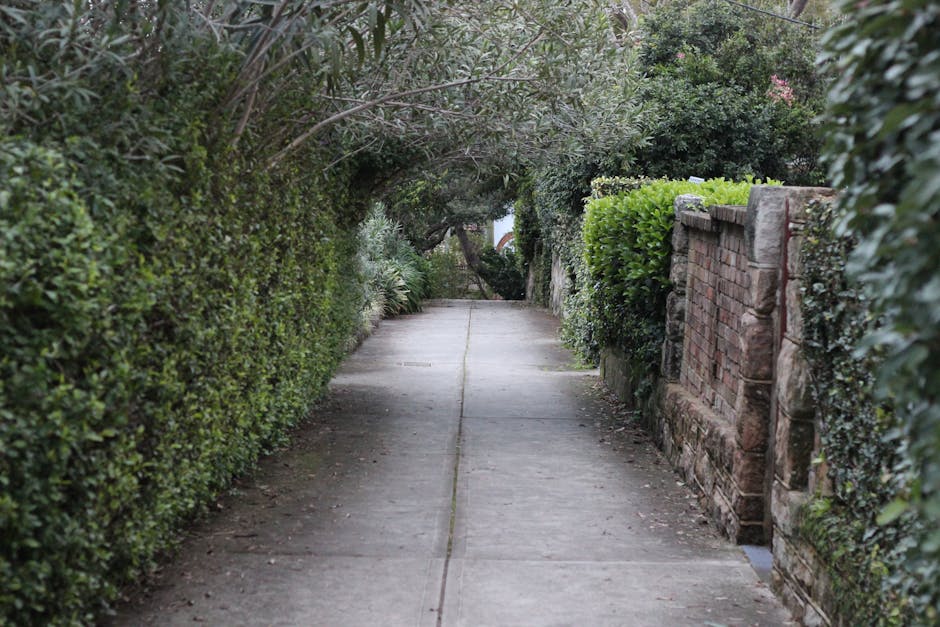
Belvedere lanes can bring their own quirks. Some are tight, some are shared, some have awkward parking, and some sit behind older terraces where access points are narrow or hidden. If you have ever watched a wheelbarrow fight a slope or tried to swing a mower through a side passage, you already know the problem. It's not dramatic. It's just real.
That is why planning for access should sit alongside the usual questions about pricing, timing, and scope. If you are still comparing providers, it can help to read about pricing and quotes and the practical expectations set out in the terms and conditions. Those pages are useful because access issues are often tied to what was agreed at the start, not what happens on the day.
How What to Know When Gardeners Refuse Access on Belvedere Lanes Works
In plain English, a refusal of access usually means the gardener cannot reasonably and safely enter the working area, or cannot carry out the work as booked. It may be a full refusal or a temporary one. For example, they may be happy to return later if a gate is unlocked, if a car is moved, or if you can confirm a different entry point.
The process usually follows a simple logic:
- The gardener arrives and checks the site conditions.
- They assess whether equipment, vehicles, or waste removal can happen safely.
- If access is blocked or uncertain, they explain the issue to the customer.
- Both sides decide whether to reschedule, adapt the plan, or cancel the visit.
That sounds straightforward, but the detail matters. A long mower, a ladder, or stump-grinding gear is not the same as carrying a pair of secateurs. Even light garden maintenance can become awkward if the only entry is down a shared path with no clear turning space. This is why some jobs are accepted only after a site check or a conversation in advance.
Sometimes refusal is about liability, not laziness. A team may be concerned about damaging paving, scratching a narrow entrance, or creating a trip hazard for residents. Other times it is about basic practicality: if the lane is obstructed and the job would take twice as long, the original quote may no longer make sense.
If access problems are linked to larger works, such as tree pruning or hedge reduction, the same principle applies. It is often worth reviewing broader guidance like tree surgery services or hedge trimming in Belvedere when the job is bigger than standard garden upkeep. Big tasks need more room, more planning, and a bit more honesty from both sides.
Key Benefits and Practical Advantages
Handled well, an access refusal can actually protect everyone involved. It gives you a chance to fix the real issue before it becomes a bigger one.
- Safer working conditions: fewer risks from slips, blocked paths, damaged vehicles, or awkward lifting.
- Clearer expectations: both sides know what is included and what is not.
- Better scheduling: the job can be rescheduled at a time when access is genuinely possible.
- More accurate pricing: the work can be quoted on realistic conditions rather than optimistic ones.
- Less property damage: no one wants a heavy trolley scraping a fence panel because the route was too tight.
There is also a quieter advantage: better communication. A short, calm conversation early on tends to reveal whether the solution is as easy as unlocking a side gate or whether the site really needs a different plan. That kind of clarity is underrated. Very underrated.
For some homeowners, the upside is a better-looking garden in the long run. Once access is sorted, you can keep up with work more regularly, whether that means garden maintenance, lawn care, or seasonal tidy-ups that stop weeds and overgrowth from taking over.
Who This Is For and When It Makes Sense
This topic is useful for more people than you might think.
- Homeowners who have side access, shared access, or a lane behind the property.
- Landlords and letting agents managing front and rear garden spaces with limited entry.
- Residents on narrow Belvedere lanes where parking, bins, and neighbouring properties create pinch points.
- People booking larger jobs such as hedge cutting, garden clear-outs, landscaping, or patio cleaning.
- Anyone with pets, children, or mobility concerns that affects how and when access can be made available.
It makes sense whenever access is not obvious. If a gardener can drive right up, unload safely, and get started, great. If not, the job needs a little more thought. That is especially true for properties with shared driveways, coded gates, or long rear paths where tools have to be carried by hand.
A practical example: imagine a customer booking hedge work for a Thursday morning. The front gate is fine, but a neighbour has parked across the shared path and no one is home to move it. The gardener is not refusing to work for the sake of it. They are simply saying the site is not ready. Small difference, big outcome.
If your garden is part of a broader improvement plan, it may help to think beyond the immediate visit. For privacy, for example, you might also consider creating a private sanctuary with quick-sprouting hedges or looking at shade-tolerant evergreen climbers for tricky boundary areas.
Step-by-Step Guidance
If you want fewer surprises, use this simple process before the gardeners arrive.
- Check the access route. Walk from the street to the work area. Look for bins, bikes, fences, overgrown plants, wet ground, loose paving, or anything that narrows the route.
- Measure the tight spots. A rough sense of width is often enough. Can a mower fit? Can a wheelbarrow turn? Can waste bags be carried out without squeezing past walls?
- Tell the gardener early. Don't wait until arrival. Explain gates, codes, parking limits, neighbour access, and anything seasonal like school-run congestion or bin day blockages.
- Share photos if needed. A couple of clear photos can be more useful than a long explanation. One wide shot and one close-up usually do the job.
- Confirm the scope. A quick tidy is very different from a full clearance, heavy pruning, or a border overhaul. The more equipment involved, the more access matters.
- Have a backup plan. If a gate is locked or a car cannot be moved, know who can help and how quickly.
- Agree what happens if access fails. Will the visit be paused, rescheduled, or partly completed? It is better to know that before anyone turns up with tools in hand.
One small but important point: if the lane is shared, make sure neighbours know when work is due. It avoids those slightly stiff conversations over a hedge. Nobody enjoys that. Nobody.
Expert Tips for Better Results
Here is where experience makes the job smoother. These are the things that prevent most access headaches before they start.
- Book the right type of service. Not every garden needs a full team or heavy kit. For routine jobs, lighter access requirements can make life easier.
- Keep gates and side paths clear. Even a small pile of compost bags can become a nuisance if it sits in the wrong place.
- Use seasonal timing wisely. In wet weather, narrow lanes can become muddy or slippery, so access may need more care than usual. A frosty morning can be just as awkward.
- Ask about equipment size. Some jobs are fine with hand tools. Others need larger machines. Know which is which.
- Be honest about obstacles. A gardener can work around a lot, but they cannot guess what they cannot see.
- Choose a contractor who explains boundaries clearly. Good providers do not overpromise. They tell you what is practical and what may need adjustment.
If your project includes waste removal, this matters even more. A garden can look perfectly accessible until the team has to carry several heavy bags back out. In our experience, that is often the moment people realise the lane is narrower than they thought.
For larger jobs, it may also help to compare related services such as general gardening services, landscaping, or fencing. The more structural the job, the more you want access, timing, and material movement nailed down from the start.
Common Mistakes to Avoid
Most access problems are avoidable, but the same mistakes come up again and again.
- Assuming access will "just be fine." That's often where the trouble starts.
- Forgetting about parking. If the gardener's vehicle cannot stop nearby, the whole visit may be affected.
- Leaving gates locked or coded access unshared. Simple, but incredibly common.
- Booking a big job without checking route width. It happens more than people admit.
- Changing the plan at the last minute. A quick add-on can be okay. A surprise full clearance is another story.
- Ignoring neighbour boundaries. Shared access areas can create disputes if nobody has warned the other households.
There is also a softer mistake: taking the refusal personally. Most of the time, it is not personal at all. The gardener is trying to avoid a problem, not create one. That distinction helps a lot when the phone call feels a little tense.
Tools, Resources and Recommendations
You do not need fancy equipment to manage access properly. A few simple tools and habits are enough.
- Site photos: useful for showing lane width, gate positions, and any turning restrictions.
- Basic tape measure: handy if you suspect the route is tighter than it looks.
- Temporary access notes: a written gate code, parking note, or neighbour contact can save time.
- Checklist on your phone: lock, key, code, bin move, car move, pet secure, and route clear.
- Service information pages: if you are planning wider works, it helps to review lawn mowing, patio cleaning, and decking services so you can match the job to the right access conditions.
For trust and peace of mind, it is also worth reading the business pages that explain how the company works. The about us section can help you understand the team's approach, while insurance and safety and the health and safety policy show how seriously access risks are taken.
If you ever need to raise a problem formally, keep complaints procedure in mind. And if payment or online security is part of your decision-making, the payment and security information is worth a quick look. Small things, but they build confidence.
Law, Compliance, Standards, or Best Practice
This is not a section for scare stories. It is just the sensible bit. In the UK, garden contractors must work with reasonable care, and site access is part of that duty of care. If the route is unsafe, too narrow, blocked, or likely to cause damage, a cautious contractor may refuse entry rather than push ahead. That is normal practice, not awkwardness.
For customers, the safest approach is to be accurate and transparent about the site. If a job requires entry through a private lane, shared passage, or rear access point, say so early. If there are pets, locked side gates, or fragile paving, mention that too. Good information helps everyone plan properly.
Best practice usually looks like this:
- confirm access before the visit;
- set out any special instructions clearly;
- avoid hidden obstacles;
- allow time for loading and unloading;
- make sure the agreed job matches the site conditions.
You may also want to review policy pages such as terms and conditions, privacy policy, cookie policy, and accessibility statement. They are not thrilling reading, fair enough, but they can clarify how information is handled and how services are delivered.
For environmental or site-specific work, a few related articles can also help you plan more thoughtfully. For example, if your garden is exposed or awkward to work in, turning windy challenges into garden opportunities and withstanding severe weather conditions are both sensible reads.
Options, Methods, or Comparison Table
When access is limited, you usually have a few ways forward. The right one depends on the job, the lane, and how flexible the schedule is.
| Option | Best for | Pros | Trade-offs |
|---|---|---|---|
| Reschedule for better access | Locked gates, parked cars, temporary blockages | Simple, low-risk, usually cheapest | Delays the job |
| Adjust the work scope | Jobs that can be split into smaller tasks | Keeps progress moving | May not complete everything in one visit |
| Use lighter equipment or hand tools | Narrow lanes and tight rear access | Less disruption, easier movement | Can take longer on bigger jobs |
| Arrange a pre-visit check | Large jobs or awkward sites | Reduces surprises and quote disputes | May need extra time before work starts |
| Decline the job until access improves | Unsafe, blocked, or unclear sites | Protects people and property | Work stops until conditions change |
To be fair, there is no magic option that suits every lane. A small lawn cut and a full garden clearance are not the same thing. The best answer is usually the one that matches the site rather than the one that sounds quickest.
Case Study or Real-World Example
Here's a simple, realistic example from a typical Belvedere-style setup. A homeowner booked a spring garden tidy-up that included hedge shaping, border clearing, and lawn work. The front entrance looked fine, but the team found the side access gate was too narrow for the mower they had brought. On top of that, a bin store blocked the turning space.
Rather than force it, the gardeners paused, explained the issue, and offered two choices: reschedule with a smaller kit list, or split the work into a lighter visit first and a fuller visit later. The customer chose the split option. The result was less stress, no damage, and a neater garden over two short visits instead of one messy one.
That kind of solution is common. It is not glamorous, and it is not especially dramatic. But it works. And in garden work, "works" is usually the bit that matters most.
The same logic applies if you are dealing with a neglected plot or a garden that has been left to get on with itself for a while. A staged approach often makes access easier, especially if you start with an overview like where to start with neglected gardens and then move into the detailed jobs once the route is clear.
Practical Checklist
Use this quick checklist before the gardeners arrive, especially if your property sits on or near a narrow lane.
- Gate unlocked or code shared
- Access route clear of bins, bikes, tools, and garden waste
- Parking space confirmed nearby
- Neighbour access agreed if the lane is shared
- Pets secured indoors or elsewhere
- Hazards pointed out, such as loose paving or low branches
- Scope of work confirmed in writing or by message
- Any special equipment needs discussed in advance
- Backup contact available if plans change
- Questions asked early, not on the doorstep
Expert summary: the smoother the access, the better the outcome. Keep the lane clear, be upfront about limitations, and treat the access conversation as part of the booking, not an afterthought. That one habit alone prevents a surprising amount of friction.
Get a free quote today and see how much you can save.
Conclusion
When gardeners refuse access on Belvedere lanes, it is usually not a sign of poor service. More often, it is a sign that someone is taking site conditions seriously. Narrow lanes, blocked gates, tight side passages, and awkward parking can all change what is safe and practical on the day.
The best approach is simple: be clear early, check the route, agree the scope, and leave room for a sensible workaround. If you do that, the whole process becomes less stressful and a lot more predictable. And honestly, that is what most people want from garden work anyway-less disruption, more progress, no drama at the gate.
With a bit of planning and a calm conversation, even the trickiest Belvedere access issue can usually be sorted. One small step at a time. That's often enough.
Frequently Asked Questions
Why would gardeners refuse access on a Belvedere lane?
Usually because the route is blocked, too narrow, unsafe, or not suitable for the equipment needed. It can also happen if parking, gate access, or shared entry was not confirmed in advance.
Does a gardener have to work if access is poor?
No. If the site is unsafe or the job cannot be completed properly, a gardener may reasonably refuse to start until access improves or the plan changes.
What should I check before the team arrives?
Check gates, codes, parking, bins, pets, and the width of any side or rear access. A quick walk from street to garden often reveals issues you would otherwise miss.
Can I be charged if access is refused?
Possibly, depending on what was agreed when the booking was made. That is why it helps to read the terms and conditions and confirm access details beforehand.
What if a neighbour blocks the shared lane?
Try to resolve it quickly and calmly. If the blockage cannot be moved, the visit may need to be rescheduled. Shared lanes work best when everyone knows the plan.
Should I send photos before the visit?
Yes, if the access is even slightly tricky. A couple of honest photos can save a lot of guessing and help the gardener choose the right tools.
Is access refusal common for larger jobs?
It can be, especially for hedge cutting, clearances, landscaping, or any job that needs bulkier kit. Bigger jobs need more room to move and more room to load waste.
What can I do if I want the work done urgently?
Be flexible about timing and be ready to clear access quickly. Sometimes a same-day solution is possible if a gate can be opened, a car moved, or the work split into stages.
How do I avoid repeat access problems?
Keep the route clear, communicate early, and make access details part of every booking. It sounds basic, but it works better than hoping for the best.
Does access affect pricing?
Yes, it can. Difficult access may increase labour time or limit what equipment can be used, which can influence the quote. That is why pricing and quotes matter so much in the early stage.
Where can I get help with a garden job that has awkward access?
Start by speaking with a local team that understands tight sites and shared lanes. If you are ready to discuss the specifics, use the contact page to explain the access issue clearly and ask for the best next step.