Real cost of emergency tree and garden clearance in Belvedere
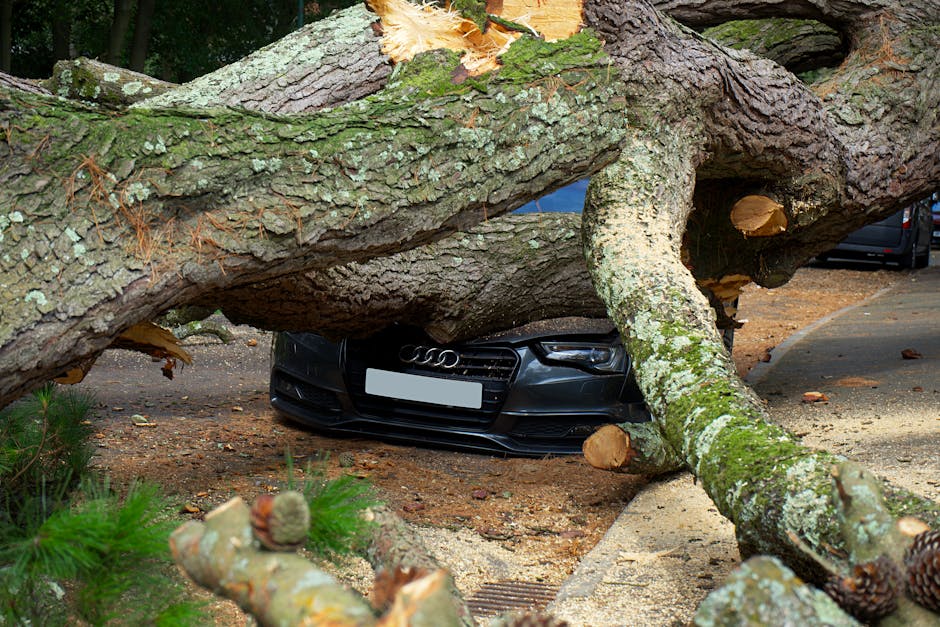
If a tree has come down across a drive, a hedge has collapsed into the pavement, or a storm has left your garden looking like a small battlefield, the first question is usually not glamorous: how much is this going to cost? The real cost of emergency tree and garden clearance in Belvedere depends on urgency, access, waste volume, and risk, but there is a sensible way to understand it without getting lost in vague quotes. This guide breaks down what you are actually paying for, what makes prices jump, and how to judge whether a quote is fair before anyone starts cutting, lifting, or hauling branches at 7 a.m. on a wet Monday.
It is written for people who need practical answers, not sales fluff. You will find a clear cost framework, a step-by-step approach, common mistakes to avoid, and a realistic view of what emergency clearance involves in a local area like Belvedere, where tight front gardens, shared access, and mixed residential streets can make a simple job surprisingly fiddly.
One thing to keep in mind straight away: emergency work is priced differently from routine garden maintenance. You are paying for speed, extra labour, higher risk, and, often, disposal handled quickly and safely. That is the honest version.
Table of Contents
- Why the real cost matters
- How emergency tree and garden clearance works
- Key benefits and practical advantages
- Who needs this service and when it makes sense
- Step-by-step guidance
- Expert tips for better results
- Common mistakes to avoid
- Tools, resources and recommendations
- Law, compliance, standards and best practice
- Options, methods and comparison
- Case study or real-world example
- Practical checklist
- Conclusion
- Frequently asked questions
Why the real cost of emergency tree and garden clearance in Belvedere matters
Emergency clearance is one of those jobs where the cheapest option can become the most expensive very quickly. If a damaged tree is leaning, roots are lifting paving, or broken branches are hanging over a boundary, delay can increase the risk of injury, property damage, blocked access, or complaints from neighbours. In real life, that means the cost is not just the invoice. It is also the cost of time, stress, safety, and potential follow-on repairs.
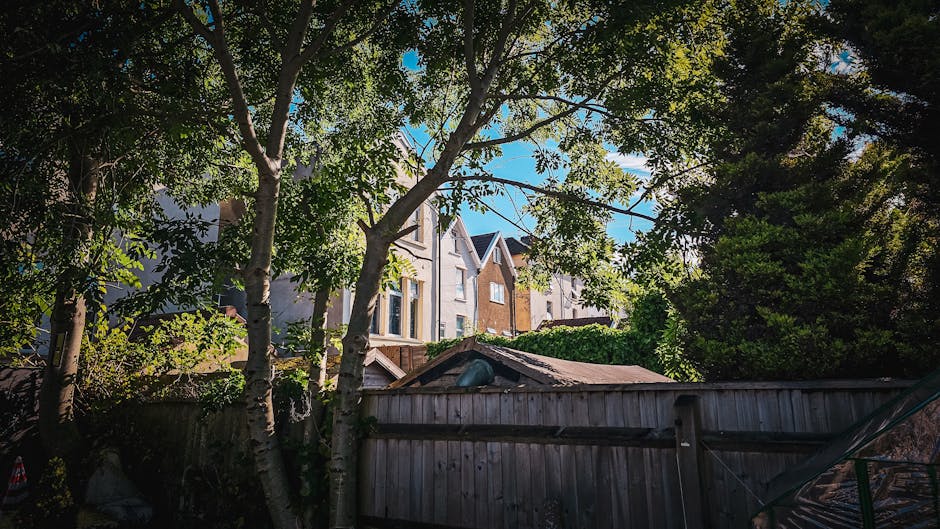
In Belvedere, the local context matters too. Many properties have compact gardens, shared side access, narrow paths, fences close to the boundary, and limited parking for equipment. Even a modest amount of green waste can take more handling than people expect. A contractor may need to work carefully around sheds, patios, or rear access that is a bit awkward. That extra effort is part of the pricing, whether you see it or not.
There is also a difference between a straightforward garden clearance and a true emergency response. Routine clearance can be scheduled around the crew's diary. Emergency work usually means reshuffling jobs, sending a team faster, and sometimes working outside normal hours. That flexibility has a real labour cost. Fair enough, really.
Another reason the real cost matters is transparency. A good quote should help you understand what you are paying for: attendance, labour, cutting or dismantling, loading, disposal, stump or root issues if relevant, and any urgency or out-of-hours element. If those parts are not clear, you can end up comparing apples with wheelbarrows. Not ideal.
When a tree or garden emergency overlaps with safety risk, it is sensible to look at the wider service picture too. You may need tree surgery for hazardous limbs, tree lopping and removal for larger structural problems, or garden clearance when the issue is more about debris, overgrowth, and making the space usable again.
How the real cost of emergency tree and garden clearance in Belvedere works
Most emergency quotes are built from a few core variables. First is the site assessment. Sometimes that happens by phone or with photos; sometimes a same-day visit is needed. Then the contractor estimates labour time, equipment required, transport, and disposal. If the work is urgent, the price may include a call-out component or priority scheduling. That is common and usually reasonable.
The basic pricing logic is simple, even if the job itself is messy:
- Urgency: same-day and out-of-hours work usually costs more than planned work.
- Risk level: unstable trees, hanging limbs, storm damage, or work near walls and power lines increases complexity.
- Volume: more branches, trunks, ivy, or garden waste means more labour and disposal.
- Access: narrow side paths, no rear access, parking restrictions, and steps all add time.
- Equipment: chainsaws, lowering gear, ladders, chippers, and heavy-duty loading gear may be required.
- Waste removal: skip loading, truck space, and green waste disposal affect the final figure.
There is also a difference between work that is merely untidy and work that is genuinely dangerous. A wind-blown hedge that has split at the base may be cleared quite quickly. A mature tree with cracked branches and visible lean? That is a different conversation entirely. It may need controlled dismantling, which is slower and therefore dearer.
For many homeowners, the biggest surprise is that the quoted price is often not just for "clearing." It covers bringing the site back to a safe, workable state. That could mean cutting material down to manageable sizes, removing debris, raking small waste, and leaving the area tidy rather than just making a pile in the corner. This is why checking what "clearance" includes is so important.
If the job is part of a bigger tidy-up, a company may suggest combining it with garden maintenance or gardening services once the immediate hazard has been dealt with. That can sometimes be more efficient than booking separate visits, though the emergency element will still dominate the initial cost.
Key benefits and practical advantages
Let's be honest: nobody calls for emergency tree clearance because it is a fun way to spend the afternoon. People do it because they need the problem handled quickly and safely. The upside of paying for a proper emergency service is that it can stop a bad situation becoming worse.
- Reduced risk: unstable branches, uprooted shrubs, or fallen trees are handled before they injure someone or damage property.
- Faster recovery: your drive, path, lawn, or access route gets usable again sooner.
- Proper disposal: green waste is removed in a way that keeps the site tidy and manageable.
- Less neighbour friction: blocked shared spaces and overhanging debris are sorted quickly, which can calm things down.
- Better long-term outcome: emergency work often reveals hidden issues like root movement, decayed timber, or damaged fencing.
There is a quieter benefit too: peace of mind. If a storm has kept you awake listening to branches creak against a fence, getting the issue assessed and cleared properly is a relief. Sometimes that relief is worth a fair bit all by itself.
Another practical advantage is that an experienced team can often separate what needs immediate action from what can wait. That judgement matters. You do not always need a dramatic full removal; sometimes selective cutting, branch reduction, or removing just the dangerous section is enough. Good advice can save money without cutting corners.
And if the weather has left damage beyond the trees, it can be sensible to think about related outdoor work too. After clearance, some people move on to fencing, patio cleaning, or even a broader tidy through landscaping once the site is safe again.
Who this is for and when it makes sense
This service makes sense for anyone dealing with an immediate hazard or a fast-moving mess that cannot wait. That includes homeowners, landlords, letting agents, property managers, and sometimes businesses with outdoor space. It also makes sense after a storm, a heavy snowfall, or simply when a tree that was already weakened finally gives up the ghost.
Typical situations include:
- a tree leaning after high winds;
- large branches overhanging a driveway or footpath;
- windblown shrubs blocking access;
- fallen timber across a lawn or boundary;
- garden waste left behind after urgent cutting;
- blocked gates, side passages, or paths;
- damage near a fence, shed, decking, or patio;
- unsafe deadwood that could drop without warning.
It also makes sense if you are trying to prevent a complaint or a more expensive repair. A branch pressing on a fence today might become a snapped panel tomorrow. A pile of wet waste left to rot can turn into a slippery, unpleasant headache. Small issues have a habit of becoming stubborn ones. Funny how that works.
If your situation is less urgent but still messy, a planned visit may be enough. That is where a service like hedge trimming or lawn mowing can restore order without the premium of emergency attendance. The key is honest diagnosis: emergency or not?
Step-by-step guidance
If you are trying to work out the real cost and the right next move, a calm process helps. Panic tends to make people accept the first number they hear. Not always a disaster, but not ideal either.
- Make the area safe if you can do so without risk. Keep people, pets, and vehicles away from unstable branches or leaning trees.
- Take clear photos from a distance. Pictures of the damage, access points, and surrounding obstacles help a contractor judge the job.
- Note anything that affects access. Locked gates, shared alleys, parking restrictions, or steps are all useful to mention upfront.
- Ask what the quote includes. Emergency attendance, labour, cutting, loading, and disposal should be broken down clearly where possible.
- Check whether the work is urgent or can wait. If a branch is resting on a fence but stable, that is different from a hanging limb over a walkway.
- Confirm site tidy-up expectations. Some firms remove all waste; others leave stacked material ready for separate disposal. Be clear on that point.
- Request a written quote or message summary. Even a short written breakdown helps avoid confusion later.
- Book follow-up work if needed. After the emergency is handled, you may want pruning, replanting, or a larger tidy-up.
One useful habit: ask whether the team expects to use specialist tree equipment or whether it is a simpler clearance job. That single question often reveals how much of the quote is about risk rather than just labour. It is a neat little clue.
For longer-term upkeep, think about whether the emergency happened because the garden has been neglected for a while. If so, a regular schedule involving lawn care, garden maintenance, and occasional structural work may prevent the same issue happening again.
Expert tips for better results
In our experience, the best emergency jobs are the ones where the customer gives clear information early. It saves time, and time is money in a same-day situation. A few small habits can make a big difference to the final cost and the quality of the outcome.
- Be precise about the problem. "A tree is down" is useful, but "one limb is across the drive and one is hanging over the neighbour's fence" is much better.
- Send photographs in daylight. Evening photos are fine if that is all you have, but a daytime shot makes the quote easier to judge.
- Ask about waste handling before the team arrives. If there is a lot of green waste, disposal can become a major part of the cost.
- Check insurance and safety practices. Emergency work should still be controlled work, not a rush job with crossed fingers.
- Look beyond the obvious damage. A fallen branch can hide cracked bark, root movement, or a split fence line.
- Choose action based on risk, not panic. If it is unsafe, treat it as urgent. If it is messy but stable, you may have more options.
A useful rule of thumb: the closer the work is to a boundary, building, wall, or public path, the more carefully it should be planned. That tends to raise the price a bit, but the extra caution is not wasted. It is what keeps a bad day from becoming a worse one.
If the job sits between urgent clearance and broader property improvement, it may be worth checking a few related services too, such as tree lopping and removal or landscape gardening. Sometimes the emergency is just the start of the tidy-up.
Common mistakes to avoid
People usually make the same handful of mistakes with emergency clearance, and most of them are understandable. It is a stressful moment. Still, a few simple missteps can push the price up or create more hassle than necessary.
- Choosing on price alone. The cheapest quote is not always the safest or most complete one.
- Hiding access problems. If a crew turns up and discovers they cannot get equipment through the side gate, the job gets slower and more expensive.
- Assuming all clearance includes disposal. It often does, but not always. Ask.
- Waiting until the situation worsens. A small unstable branch can become a larger and more expensive job after another night of wind.
- Forgetting about neighbours and boundaries. Shared access, overhanging branches, and fence damage can complicate things quickly.
- Not asking about emergency timing. Same day, next day, evening, and weekend work can all be priced differently.
There is also a softer mistake: trying to "just do it yourself" when the tree or debris is clearly unstable. We all like being handy. But a rope, a ladder, and optimism are not a safety plan. If the material is large, awkward, or under tension, call it in.
A sensible contractor should be able to explain why a quote is what it is. If they cannot, or if the answer sounds foggy, take a breath and ask again. No need to be rude. Just firm. The point is clarity.
Tools, resources and recommendations
You do not need specialist gear to make a good decision, but a few basic tools help you gather useful information before a contractor arrives:
- a phone camera for photos and short videos;
- a tape measure if access is tight;
- a notebook for dimensions, times, and contact names;
- gloves and sturdy shoes if you are safely clearing light debris;
- a torch if the damage is easier to see in darker corners of the garden.
From a planning point of view, the most useful resources are the service pages that explain what different jobs involve. If the issue is mostly branch-related, tree surgery is worth understanding. If the problem is more about debris, piles of cuttings, or restoring order after disruption, garden clearance is usually the better match. If the garden has been slowly sliding into chaos over time, gardening services may be the most practical next step after the emergency.
You may also want to look at pricing and quotes so you understand how estimates are put together, and insurance and safety if you want reassurance about the way risk is managed. Those pages can be very helpful when you are comparing providers and want to avoid guesswork.
And if you are thinking about future-proofing the space after clearance, a mix of fencing, decking services, or even patio cleaning can help the garden feel settled again, not just emptied out.
Law, compliance, standards and best practice
Emergency tree and garden clearance is not just a quick tidy-up job. In the UK, there are safety expectations around working with chainsaws, height, unstable timber, waste handling, and boundary issues. You do not need to become a legal expert, but you should expect a professional approach.
At a practical level, good best practice usually includes:
- proper risk assessment before work starts;
- use of suitable protective equipment;
- careful control of falling material;
- clear separation of people from the work zone;
- safe handling and loading of green waste;
- respect for neighbouring property and access arrangements;
- reasonable communication about hazards and limitations.
If a tree appears protected, or if the job may affect shared land or a boundary, extra checks may be needed. A responsible contractor should not promise certainty on legal or council matters without looking at the actual situation. That kind of caution is a good sign, not a bad one.
Insurance matters too. Emergency work around trees can involve real risk, especially when cutting damaged timber or working near hard surfaces. A contractor should be able to explain their approach to safety and liability in plain English. If they sound casual about that, personally, I would be wary.
There is also an environmental angle. Waste should be dealt with sensibly, and where possible, green waste should be handled in line with recycling and sustainability principles rather than simply dumped into the nearest pile and forgotten. That is one reason some people prefer working with services that take disposal seriously from the start.
Options, methods and comparison table
Not every emergency needs the same level of intervention. Here is a simple comparison to help you think through the likely route.
| Option | Best for | Typical cost pressure | Pros | Trade-offs |
|---|---|---|---|---|
| Minor emergency clearance | Light storm debris, small broken branches, quick access issues | Lower to moderate | Fast, tidy, relatively straightforward | May still need follow-up pruning or maintenance |
| Urgent tree reduction or removal | Unsafe limbs, leaning trees, structural damage | Moderate to high | Reduces immediate danger properly | Needs more skill, equipment, and time |
| Full garden clearance | Large amounts of waste, overgrowth, site reset after damage | Moderate | Restores the whole space, not just the hazard | Can be more labour-heavy than expected |
| Routine maintenance after the emergency | Ongoing tidying, pruning, lawn recovery, general upkeep | Lower than emergency work | Prevents repeat problems | Does not solve urgent hazards immediately |
For a lot of people, the best answer is actually a combination. Emergency work first, then planned maintenance later. That way you pay for urgency only where it is needed, not everywhere. Sensible, and a bit kinder to the wallet.
Case study or real-world example
A typical Belvedere-style scenario might look like this. After a windy night, a homeowner wakes to find a medium-sized branch cracked and resting across the rear path, with smaller debris scattered onto the lawn. The front access is narrow, there is no direct vehicle access to the rear, and the fence line is tight. The branch is not a full collapse, but it is awkward and clearly unsafe to leave.
In a case like that, the cost would usually be driven by access, the need for careful cutting, and waste removal through a restricted route. The quote would likely be higher than a routine tidy-up because the team has to work around the property rather than simply walk in, load up, and leave. If the damage is near a fence or a patio, a careful contractor may also spend time protecting nearby surfaces and checking for secondary damage.
The smart move in that scenario is not to ask, "What is the cheapest number?" It is to ask, "What exactly is included, how quickly can it be done, and what happens to the waste?" The homeowner may also ask whether the remaining garden needs a follow-up visit for lawn care or garden maintenance once the debris is gone. That is usually how a one-off emergency becomes a manageable recovery plan.
Truth be told, the best emergency jobs are often the boring ones: quick, careful, clearly priced, and finished without drama. That is what most people really want.
Practical checklist
Use this before you request a quote or agree to an urgent visit:
- Is anyone currently at risk?
- Are pets, children, and vehicles clear of the area?
- Can you take photos from a safe distance?
- Is the issue a tree hazard, garden waste problem, or both?
- Do you know where the team can access the site?
- Are there steps, locked gates, or narrow paths to mention?
- Do you need same-day attendance or is next-day acceptable?
- Have you asked whether disposal is included?
- Do you know whether the quote covers tidy-up?
- Will the job need follow-up pruning, fencing repair, or general maintenance?
If you can answer those ten points, you are already in a much better position than most people calling in the middle of a windy afternoon. And that helps keep the cost grounded.
Conclusion
The real cost of emergency tree and garden clearance in Belvedere is never just about cutting a few branches. It reflects urgency, safety, access, labour, disposal, and the care needed to leave the space genuinely usable again. Once you understand those moving parts, the pricing starts to make sense. More importantly, you can spot a fair quote, avoid vague promises, and choose the right level of service for the situation in front of you.
The key is to stay calm, gather clear information, and focus on safety first. If the job is genuinely urgent, act quickly. If it is messy but stable, ask for a proper breakdown and decide with a clear head. That usually saves money and stress, which is no small thing when your garden has just had a rough day.
Get a free quote today and see how much you can save.
Frequently Asked Questions
How much does emergency tree and garden clearance in Belvedere usually cost?
It depends on urgency, access, waste volume, and risk. A small same-day clearance will usually cost less than a storm-damaged tree that needs careful dismantling and full waste removal. The clearest way to get a fair figure is to ask for a written breakdown of what is included.
Why is emergency clearance more expensive than normal garden clearance?
Because it often involves immediate response, reshuffled schedules, extra labour, and higher safety risk. The crew may also need specialist equipment or more careful handling if the damage is unstable or awkward to access.
What information should I send when asking for a quote?
Photos, a short description of the problem, access details, whether vehicles or paths are blocked, and any known hazards. The more accurate the information, the less likely the final price is to shift unexpectedly.
Can I leave a fallen branch until tomorrow?
If it is stable and not blocking access, sometimes yes. But if it is hanging, pressing on a structure, or close to a walkway, treat it as urgent. If in doubt, keep people away and get it assessed promptly.
Does emergency tree clearance include waste removal?
Often it does, but not always. Some quotes include loading and disposal, while others separate those costs. Always ask, because waste handling can be a big part of the final bill.
Is tree surgery the same as tree removal?
No. Tree surgery usually refers to skilled pruning, reduction, or controlled work on a tree, while removal means taking the tree down completely. The right option depends on the condition of the tree and the level of risk involved.
What makes a Belvedere garden harder to clear in an emergency?
Tight access, narrow side paths, parking limits, shared boundaries, steps, and the amount of material needing removal. A small garden can still be a tricky one if the access is awkward. Happens all the time.
Should I choose the cheapest quote?
Not by default. The cheapest price may leave out disposal, tidy-up, or proper safety measures. Compare what is included, how quickly the work will happen, and whether the contractor seems clear and careful.
Do I need emergency clearance if the tree is leaning but not fallen?
Potentially, yes. A leaning tree may be unstable even if it has not yet fallen. If there are cracks, root movement, or hanging limbs, it is better to get it checked sooner rather than later.
Can emergency clearance be combined with other garden work later?
Absolutely. Once the immediate hazard is gone, many people move on to garden maintenance, hedge trimming, or landscaping to restore the garden properly.
How do I know if a contractor is serious about safety?
They should talk clearly about risk, access, protective measures, and waste handling. They should not rush straight to a price without understanding the site. A careful answer is usually a good sign.
What should happen after the emergency is cleared?
The area should be left safe, manageable, and tidy. You may also want to inspect fences, patios, or nearby plants for hidden damage and decide whether follow-up work is needed. A quick reset now can save a lot of bother later.