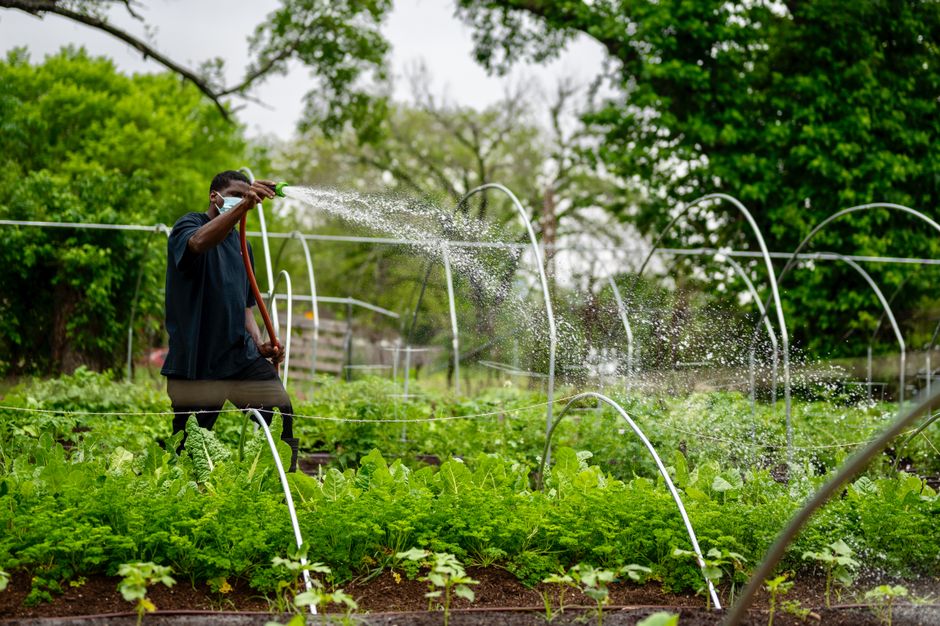
Belvedere Green community garden maintenance guide for locals

If you help look after Belvedere Green, you already know the feeling: a shared garden can be lovely on a bright morning and a bit chaotic by Friday afternoon. One patch gets trampled, another gets too much shade, and the weeds seem to grow while everyone is busy doing everything else. This Belvedere Green community garden maintenance guide for locals is here to make the job calmer, clearer, and much more manageable.
Whether you are a volunteer, a resident, a committee member, or the person who always ends up with the gloves on, the aim is simple: keep the space healthy, safe, welcoming, and not wildly time-consuming. We will go through the practical routine, the seasonal jobs, the common mistakes, and a few small habits that make a big difference over time. Nothing fancy. Just proper, useful guidance.
- Why this garden maintenance guide matters
- How the maintenance approach works
- Key benefits and practical advantages
- Who this is for and when it makes sense
- Step-by-step guidance
- Expert tips for better results
- Common mistakes to avoid
- Tools, resources and recommendations
- Law, compliance, standards and best practice
- Options, methods and comparison table
- Case study or real-world example
- Practical checklist
- Conclusion
- Frequently asked questions
Why Belvedere Green community garden maintenance guide for locals Matters
A shared garden only stays pleasant when people agree, even loosely, on the basics. If the grass gets too long, paths become muddy. If beds are neglected, weeds take hold. If pruning is left too late, shrubs can block light, crowd walkways, or get leggy and tired-looking. In a community setting, those little issues become bigger because they affect everyone at once.
That is why a maintenance guide matters. It gives locals a common reference point, so you are not re-litigating the same jobs every week. It also helps reduce the awkwardness that can creep into volunteer spaces. You know the sort of thing: one person thinks the hedge should be cut hard, another wants to leave it for birds, and nobody wants to be the one making the call. A shared plan removes some of that friction.
There is also a practical benefit that is easy to miss. Good maintenance saves money. A garden that is checked regularly is less likely to need a big rescue later. A few minutes of weeding now can prevent a full-bed overhaul later. If shrubs are trained and trimmed properly, they usually need less corrective work. For bigger jobs, a sensible approach to tree care matters too; if you ever need help comparing options, the article on negotiating better prices with tree surgeons is a useful companion read.
Practical truth: community gardens thrive when maintenance is consistent, shared, and boring in the best possible way. A little routine beats heroic weekend clean-ups every time.
How Belvedere Green community garden maintenance guide for locals Works
At its core, community garden maintenance is a rotating cycle of inspection, light intervention, and seasonal care. You are not trying to make the site perfect every day. That would be exhausting, and honestly unrealistic. You are trying to keep it in good enough shape that people can enjoy it, use it safely, and build on it from one season to the next.
The most useful approach is to think in layers:
- Weekly: quick litter pick, obvious weed removal, watering if needed, and checking for damage.
- Monthly: edging, deadheading, light pruning, mulching, pathway checks, and a fuller tidy-up.
- Seasonally: planting changes, soil improvement, hedge trimming, storm preparation, and winter protection.
It also works best when tasks are matched to skill level. Not every job belongs in the same bucket. A resident with a spare 20 minutes can deadhead flowers, but they should not be asked to cut back established shrubs without guidance. This is where a simple task sheet helps. Even better if it sits somewhere visible and is updated after each session.
For larger structural jobs, think beyond plants. Fences, edging, paths, decking, and seating all influence how the garden feels and how easy it is to maintain. A broken panel can create a safety issue; a slippery path can create a daily nuisance. That is why maintenance should be seen as a whole-space job, not just "the plants bit".
Key Benefits and Practical Advantages
A well-maintained community garden does more than look neat. It changes how people use the space. You notice it quickly: more people stop to chat, children stay on paths instead of wandering through beds, and volunteers feel their effort is worth repeating. Not glamorous, but very real.
- Better appearance: tidy edges, healthy planting, and fewer weeds make the whole site feel cared for.
- Safer movement: clear paths, sound fencing, and visible hazards reduce avoidable accidents.
- Healthier plants: regular feeding, pruning, and watering stop small issues becoming plant loss.
- Less pressure on volunteers: a schedule breaks jobs into manageable pieces.
- Stronger community pride: people are more likely to help when the space already feels respected.
- Lower long-term cost: steady upkeep usually costs less than occasional major repairs.
There is another advantage people sometimes overlook. A maintained garden is easier to improve. If you want to add herbs, a seating corner, or a bit of screening, the groundwork is already there. A neglected site fights every new idea. A cared-for one supports it.
For locals who want inspiration on making a garden feel more welcoming without creating extra work, the piece on budget-friendly low-maintenance garden ideas is a sensible place to start.
Who This Is For and When It Makes Sense
This guide is for anyone involved in the everyday life of Belvedere Green. That might be a resident who tends a bed near their home, a local volunteer rota, a small neighbourhood group, or someone who has just been asked, quite casually, to "keep an eye on the garden". We have all seen how that goes.
It makes sense if you are:
- setting up a new community plot or shared planting area;
- trying to revive a tired or neglected garden space;
- managing seasonal jobs for a group of volunteers;
- planning a maintenance rota that needs to be practical, not perfectionist;
- dealing with repeated issues like weeds, overgrowth, or patchy lawns;
- trying to balance tidy appearance with wildlife-friendly planting.
It is also useful if you are comparing whether to handle upkeep in-house or bring in help for certain tasks. Some jobs are perfectly manageable by residents. Others, especially tree work, larger hedge reductions, or safety-related repairs, are better handled by professionals. In those cases, the service pages for garden maintenance, lawn care, and tree surgery can be helpful starting points for deciding what needs specialist attention.
Step-by-Step Guidance
If you want a community garden to look after itself a little better, start with a proper routine. Not a grand master plan. Just something steady and repeatable. The best systems are usually simple enough that people actually use them.
1) Walk the site before doing any work
Take a slow lap. Look for obvious problems: litter, broken stakes, trip hazards, dry patches, storm damage, pest signs, and overgrown sections. In community spaces, that first five-minute check saves a lot of unnecessary effort. It also stops volunteers from double-working an area that does not need attention.
2) Triage the jobs
Some issues are urgent; some can wait. Safety comes first, then plant health, then appearance. A low branch over a path matters more than a few weeds in a border. A leaking tap or flooded bed matters more than deadheading. This ordering keeps everyone sensible, which helps more than people admit.
3) Deal with weeds early
Weeds are easiest to manage when they are small. Hand weeding after rain is usually less painful than fighting dry compacted soil. If the area is large, consider mulching after clearing, because bare soil quickly invites more weeds. For more structured tactics, the guide on weed control insights is a useful read.
4) Keep the lawn under control
If Belvedere Green includes grassed areas, mowing at the right height matters. Cutting too short makes lawns vulnerable to heat, dry spells, and moss. Cutting too infrequently leaves clumps and uneven patches. A regular, moderate cut tends to work best in UK conditions. If the lawn is patchy or tired, pair mowing with feeding, aeration, and sensible watering rather than just chasing a neat finish.
5) Prune with a purpose
Pruning is not about making everything smaller. It is about keeping plants healthy, shapely, and safe. Remove dead, damaged, or crossing stems first. Then think about light, airflow, and access. If a hedge is being used for screening, it may need a softer touch than a decorative shrub border. For a deeper look at shaping, see techniques for shaping impressive hedges.
6) Feed the soil, not just the plants
Good community gardens usually have good soil, or at least improving soil. Compost, leaf mould, and well-rotted organic matter help retain moisture and support healthy growth. You do not need to overdo it. In fact, too much fertiliser can create lush leaves and weak growth, which is not much use to anyone. A light, regular approach is usually the safer bet.
7) Water thoughtfully
Shared gardens waste a surprising amount of water when everyone waters a bit, but no one checks the soil. Better to water deeply less often than to sprinkle the surface every day. Pots, new plantings, and exposed beds will need the most attention during dry periods. Established planting usually needs less, unless the weather is behaving badly, which, let's be fair, does happen.
8) Check structures and edges
Fences, raised beds, paths, seats, and decking should all be checked for stability and wear. Slippery patio areas, loose boards, or leaning posts are not just cosmetic issues. They are maintenance priorities. If a space includes hard surfaces that need cleaning, the patio cleaning page and decking services page are worth a look when planning upkeep.
9) Finish with a reset
Every work session should end with a reset: tools away, waste bagged, paths clear, and a quick look around for anything left half-finished. It sounds minor. It is not. That last ten minutes is often what makes the space feel cared for by the next person who arrives.
Expert Tips for Better Results
Here is the part that makes a community garden feel easier over time rather than harder. Small habits, done consistently, will beat occasional intense effort almost every time.
- Mulch after weeding: it suppresses regrowth and keeps moisture in the soil.
- Group jobs by season: it is simpler to prune, plant, and feed in sensible batches.
- Use signs sparingly but clearly: one or two tidy notices can guide volunteers without making the garden feel over-managed.
- Keep a "needs attention" list: this stops problems being forgotten between volunteer sessions.
- Choose plants that behave: in a shared space, sturdy and predictable plants usually outperform fussy showpieces.
- Plan for gaps and shade: crowded community gardens often have awkward corners, and they need the right planting, not wishful thinking.
If you have ever fought a patch of ivy or an overambitious climber that has decided it owns the fence, you will know why plant choice matters. The article on creating an ivy-free sanctuary is useful if this is becoming a recurring headache.
One more thing. Keep a simple photo record. A phone picture taken after each tidy-up sounds almost too basic to mention, but it helps track change, spot slow problems, and prove that volunteer work is doing something visible. Handy when morale dips, which happens.
Common Mistakes to Avoid
Community gardens usually go off track in predictable ways. None of these are dramatic on their own. Together, they create the familiar "why does this space always feel one step behind?" problem.
- Trying to do everything at once: a rushed all-day overhaul can leave the garden looking neat for a week, then tired again.
- Ignoring the soil: if soil health is poor, the plants will keep underperforming.
- Cutting hedges or shrubs at the wrong time: this can remove nesting cover, flowers, or next season's growth.
- Using the wrong volunteers for the wrong jobs: heavy pruning and minor deadheading are not the same task.
- Leaving tools scattered: it is unsafe, and it makes the space look uncared for.
- Forgetting winter prep: a couple of hours in autumn can prevent a lot of disappointment later.
- Letting one or two people carry the whole load: burnout is very real, and then the site suffers.
There is also a less obvious mistake: overdesigning a garden maintenance plan. A beautiful spreadsheet that no one reads is not a maintenance system. A half-page rota that people can actually follow usually works better. Simple wins, boring as it sounds.
Tools, Resources and Recommendations
You do not need a shed full of gear to maintain a shared garden properly. A lean, well-chosen kit is usually enough. In fact, too many tools can be a problem because no one knows where anything is, or which spade is the "good" one.
Essential tools for local volunteers
- gloves that fit properly;
- hand fork, hand trowel, and secateurs;
- lawn rake and leaf rake;
- watering can or hose access if available;
- wheelbarrow or sturdy trug;
- loppers for thicker stems;
- string, plant ties, and small labels;
- basic first-aid supplies kept nearby;
- litter pickers or grabbers for quick clean-ups.
Useful non-tool resources
- a contact sheet for volunteers and key holders;
- a seasonal task calendar;
- a simple risk checklist;
- a storage plan for shared equipment;
- a budget note for consumables like compost, mulch, and replacements.
If the space is growing beyond what volunteers can comfortably handle, it may be time to talk through broader support options. The gardening services and lawn mowing pages can help you think about the sort of tasks that are easiest to outsource, while the pricing and quotes page is useful when you want to compare options in a structured way.
Law, Compliance, Standards, or Best Practice
For a community garden, the practical rule is simple: keep people safe, keep access sensible, and avoid careless maintenance that creates a hazard. You do not need to turn a garden into a paperwork maze, but you should have some basic standards in place.
That usually means:
- risk awareness: check for trip hazards, sharp edges, unstable structures, and overgrown routes;
- safe tool use: only use tools people are comfortable and trained to handle;
- manual handling care: lifted bags, compost sacks, and timber can be awkward, so use common sense and team lifts where needed;
- clear boundaries: know what volunteers should do, and what should be passed on;
- weather judgement: avoid heavy work in strong wind, ice, or dangerous heat;
- respect for wildlife and nesting periods: prune with care and avoid unnecessary disturbance.
In UK garden management, basic health and safety best practice matters more than formality. If the area is run by a group or committee, it is sensible to keep a light written record of hazards, task assignments, and any incidents. If there is any doubt about a larger tree, a failing fence, or a structure that might move, that is the moment to step back and get specialist advice.
For a better sense of how a responsible provider approaches those issues, you can review the site's own health and safety policy, insurance and safety information, and terms and conditions. If a local group needs to raise a concern or clarify how something should be handled, the complaints procedure page is also relevant.
Options, Methods, or Comparison Table
There is no single correct way to maintain a shared garden. The right method depends on how many people are involved, how much time they have, and whether the garden is mainly ornamental, productive, or somewhere in between.
| Method | Best for | Pros | Watch-outs |
|---|---|---|---|
| Volunteer rota | Small to medium community gardens | Low cost, shared ownership, flexible | Can drift without coordination |
| Seasonal work parties | Sites that need occasional bursts of effort | Good for big tidy-ups and planting days | Gaps between sessions can allow weeds to return |
| Mixed volunteer plus contractor support | Gardens with heavier maintenance needs | Balances affordability with reliability | Needs clear task boundaries |
| Fully managed maintenance | Busy sites, larger layouts, or complex planting | Consistent finish and less stress on locals | Higher cost, less resident involvement |
For many local groups, the mixed approach is the sweet spot. Volunteers handle regular watering, light weeding, and tidy-ups. Professionals step in for hedge reduction, heavy pruning, fencing repairs, or larger structural jobs. If a site has a lot of boundary planting, the page on hedge trimming in Belvedere and the article about quick-sprouting hedges can help with the screening side of things.
Case Study or Real-World Example
Imagine a small shared garden beside a row of homes. Nothing huge. A few beds, a narrow lawn, a couple of shrubs, a bench, and one awkward corner that always seems to collect litter and nettles. At first, the group tackles it whenever someone has a free Saturday. That works for a bit, then not so much. The space looks fine after a big effort, but within three weeks the weeds are back and the bench needs wiping again.
What changed was not a miracle, just a routine. The group split the garden into zones. One person handled the front edge and litter. Another took the beds. Two residents shared watering. A monthly tidy-up was set for the whole space. The lawn got a regular cut, the worst weeds were removed before seeding, and the fence line was checked each time because it had been snagging the climbing plants.
After a couple of months, the garden did not look "finished" in a dramatic sense. It looked maintained. That is a better outcome, to be fair. The paths stayed clearer, the bench got used more, and the plants settled because the soil had been improved with compost rather than just tidied around. The group also stopped arguing about who should do what, which may have been the biggest win of all.
That kind of transformation is why a clear maintenance guide matters. It turns vague goodwill into repeatable action. And repeatable action is what keeps a shared garden alive.
Practical Checklist
Use this as a simple working list for routine visits. It is deliberately practical, not overcomplicated.
- Walk the garden and note any obvious hazards.
- Pick up litter and remove visible debris.
- Check paths, edges, and steps for slipping or trip risks.
- Water new or dry plants if conditions call for it.
- Remove weeds before they set seed.
- Deadhead flowers where appropriate.
- Trim back only what is safe and suitable to cut.
- Check stakes, ties, and supports.
- Inspect fences, seats, or decking for movement or damage.
- Top up mulch where bare soil is exposed.
- Clear away clippings and return tools properly.
- Note anything that needs a bigger follow-up job.
Quick takeaway: if you only do three things on a visit, make them safety check, weed control, and watering. That alone keeps a garden moving in the right direction.
Conclusion
A community garden does not stay beautiful by accident. It stays useful because local people notice what needs doing and handle it before it becomes a problem. That is really the heart of this Belvedere Green community garden maintenance guide for locals: keep it steady, keep it shared, and keep it realistic.
Start small if you need to. Build the routine first. Then add seasonal tasks, better planting choices, and the occasional professional help where it genuinely makes sense. Over time, the space will feel less like a job and more like part of the neighbourhood. And that is what you want, isn't it? A garden that welcomes people instead of asking too much of them.
If your local group is ready to improve the space, talk through the next step with a trusted team and compare your options carefully. A thoughtful plan now can save a lot of stress later.
Get a free quote today and see how much you can save.
Frequently Asked Questions
How often should a community garden in Belvedere Green be maintained?
Most shared gardens benefit from a light weekly check, a fuller monthly tidy-up, and seasonal jobs such as pruning, mulching, and planting. The exact rhythm depends on the size of the garden and how many volunteers help out.
What are the most important tasks for locals to focus on first?
Start with safety, weeds, watering, and path clearance. If you keep those four under control, the garden is usually pleasant to use even when other jobs are waiting.
Can volunteers handle all the maintenance themselves?
Sometimes, yes. Smaller gardens often can be managed by residents if there is a clear rota. But bigger jobs like tree work, heavy hedge cutting, fence repairs, or structural fixes are usually better left to professionals.
What is the best time of year for major garden tidy-ups?
Spring and autumn are usually the most useful times for larger tidy-ups in UK gardens. Spring helps with recovery and new growth, while autumn is a good time to prepare for colder, wetter weather.
How do you stop weeds from taking over a shared garden?
Remove weeds before they seed, mulch bare soil, and keep on top of edges and corners. A garden that is checked regularly will always be easier to manage than one left for occasional rescue days.
What should a community garden maintenance checklist include?
It should include safety checks, watering, weeding, deadheading, path clearing, support checks for plants, and a look at structures like fences, seats, and decking. Keep it short enough that people will actually use it.
How do we decide what tasks need professional help?
If the job involves height, heavy cutting, unstable structures, or any safety concern, that is usually the point to bring in specialist support. If you are unsure, it is better to pause than to guess.
Is lawn care really necessary in a community garden?
If there is lawn in the space, yes. Regular mowing, plus sensible feeding and occasional aeration, will help it stay healthy and usable. Neglected lawn areas often become patchy, weedy, or muddy very quickly.
What if the garden has shady or awkward corners?
Shady corners need planting that suits low light rather than constant struggle. Ground cover, shade-tolerant shrubs, and evergreen climbers can help. A bit of planning goes a long way there.
How can local residents keep maintenance fair for everyone?
Use a rota, keep jobs small and clear, and rotate the harder tasks so the same person is not always stuck with them. Fairness matters in community spaces, because resentment grows faster than ivy if people feel overused.
What is the easiest way to make a shared garden look tidier fast?
Clear litter, trim edges, remove weeds, and sweep paths. Those four actions give the quickest visual improvement. It is simple, but it works.
Where can locals get support if maintenance starts becoming too much?
If the workload is getting out of hand, look at which tasks can be outsourced and which can stay volunteer-led. The garden maintenance, lawn care, hedge trimming, and landscaping pages on this site can help you decide where outside help might be useful.